Nelson Sharma
Design Manager — UX systems, DesignOps, and design engineering
I lead multidisciplinary design teams and build the systems that help good work ship: clear ownership, strong standards, and enough hands-on frontend work to keep decisions real.
Leading a 10-person design team on a product used by 3.2M+ people.
Remote

-
7.3yrs
In
Design -
2.6yrs
In
Leadership -
10
People on
the team -
5
Design
Domains
From designer to managing designers.
I started by learning how to make good work. Then I learned how to create the conditions for other people to make it.
-
01
Graphic designer
I learned to make.
- Brand
- Campaigns
- Visual communication
- Visual craft
- Composition
- Typography
- Image
-
02
UI designer
I learned to design for screens.
- Websites
- Interfaces
- Interaction
- Design systems
- Interface
- System
- Interaction
-
03
Design manager
I learned to make space.
- People
- Ownership
- Systems
- Operations
- Team
- Environment
- Operating model
-
Today
- 10 designers
- 5 crafts
- 2.6 years leading
I didn’t leave the craft when I took the title.
I have 7.3 years in design and 2.6 years in leadership, currently leading a 10-person multidisciplinary team across product, social, web, presentation, and illustration. My job is to create the conditions for good work: clear ownership, useful systems, practical operations, and enough proximity to the frontend to keep decisions honest.
-
Five crafts, one bar
Product, social, web, presentation, illustration. All under one umbrella, held to one written standard, so “good” doesn’t depend on who happened to review it.
-
Into the frontend
Design systems, HTML and SCSS, shipped into the product. It keeps me honest about what I design.
-
Agents take the tedious half
First drafts and scaffolding go to the machines. Judgement stays with people.
Tools I use
Fluent across the workbench.
I move between product thinking, visual craft, prototyping, presentation, and implementation without handing the work off at the seams.
- FigmaFluent
- SketchFluent
- Claude CodeFluent
- CodexFluent
- FramerFluent
- Adobe PhotoshopFluent
- Adobe IllustratorFluent
- Adobe InDesignFluent
- KeynoteFluent
- PowerPointFluent
 Figma
Figma Sketch
 Claude Code
 Codex
Codex Framer
 Adobe Photoshop
 Adobe Illustrator
 Adobe InDesign
 Keynote
 PowerPoint
Most design problems aren’t design problems.
Good design work breaks down when ownership is unclear, priorities shift, and every decision needs approval. These six pieces show how I fix the conditions around the work.
-
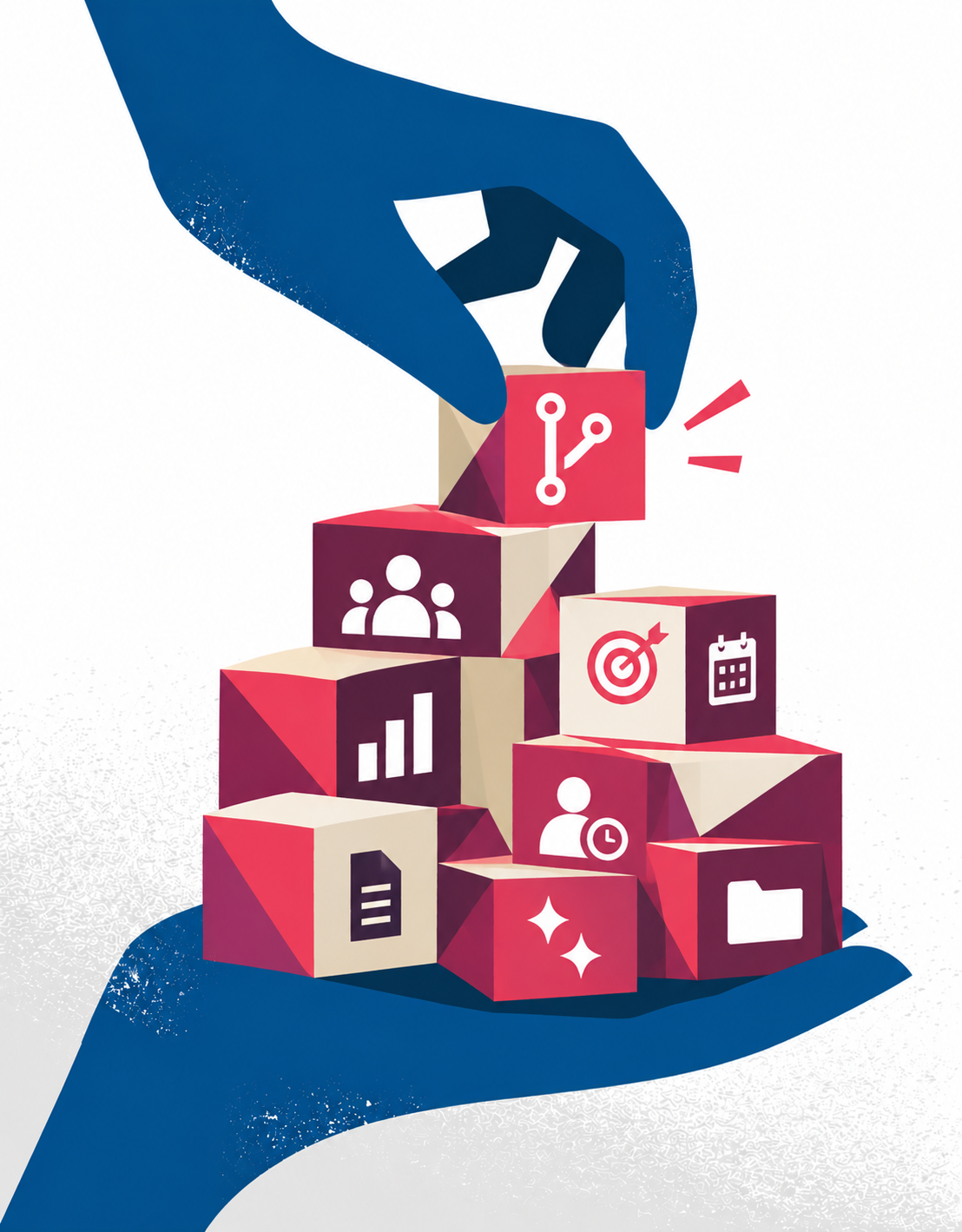
I turned a Git repo into a team OS.
Work, OKRs, availability, AI skills, assets and team history, all version-controlled in one shared workspace.
Shared context without depending on individuals
-
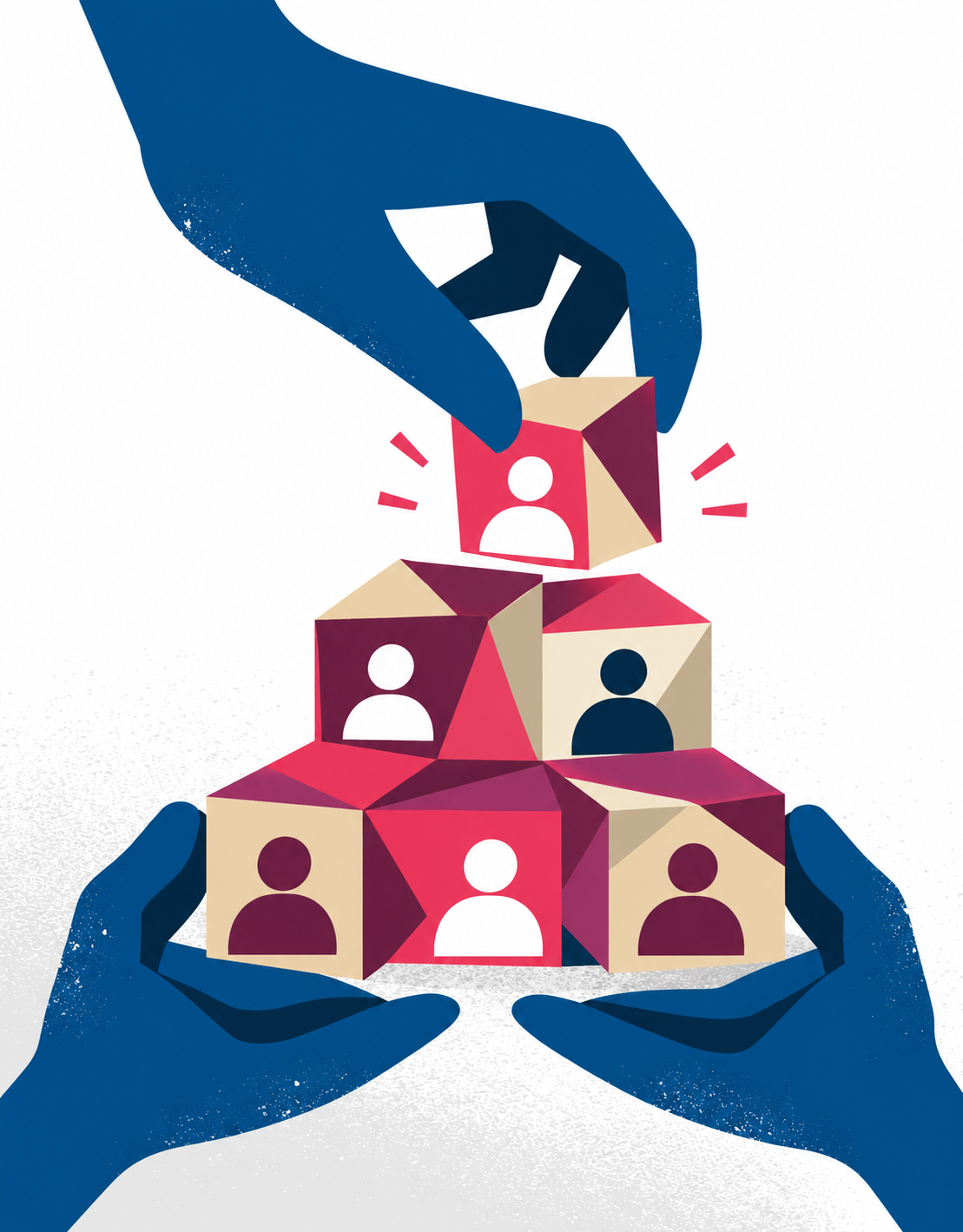
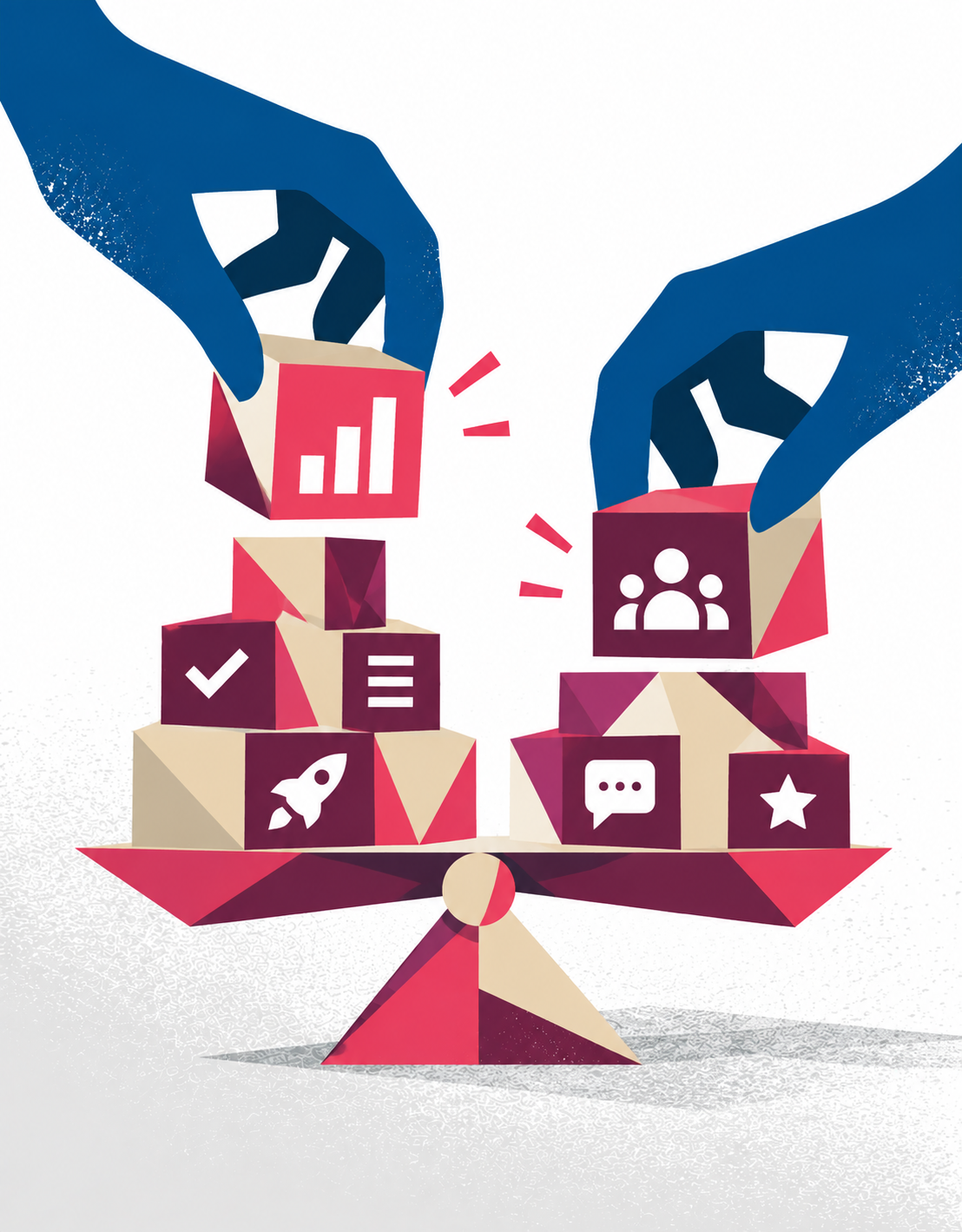
Everyone has a backup. Nobody staffs the third layer.
Assigning designers to domains is what every team does. Staffing the layer under the backup is not.
Resilient coverage without manager dependency
-
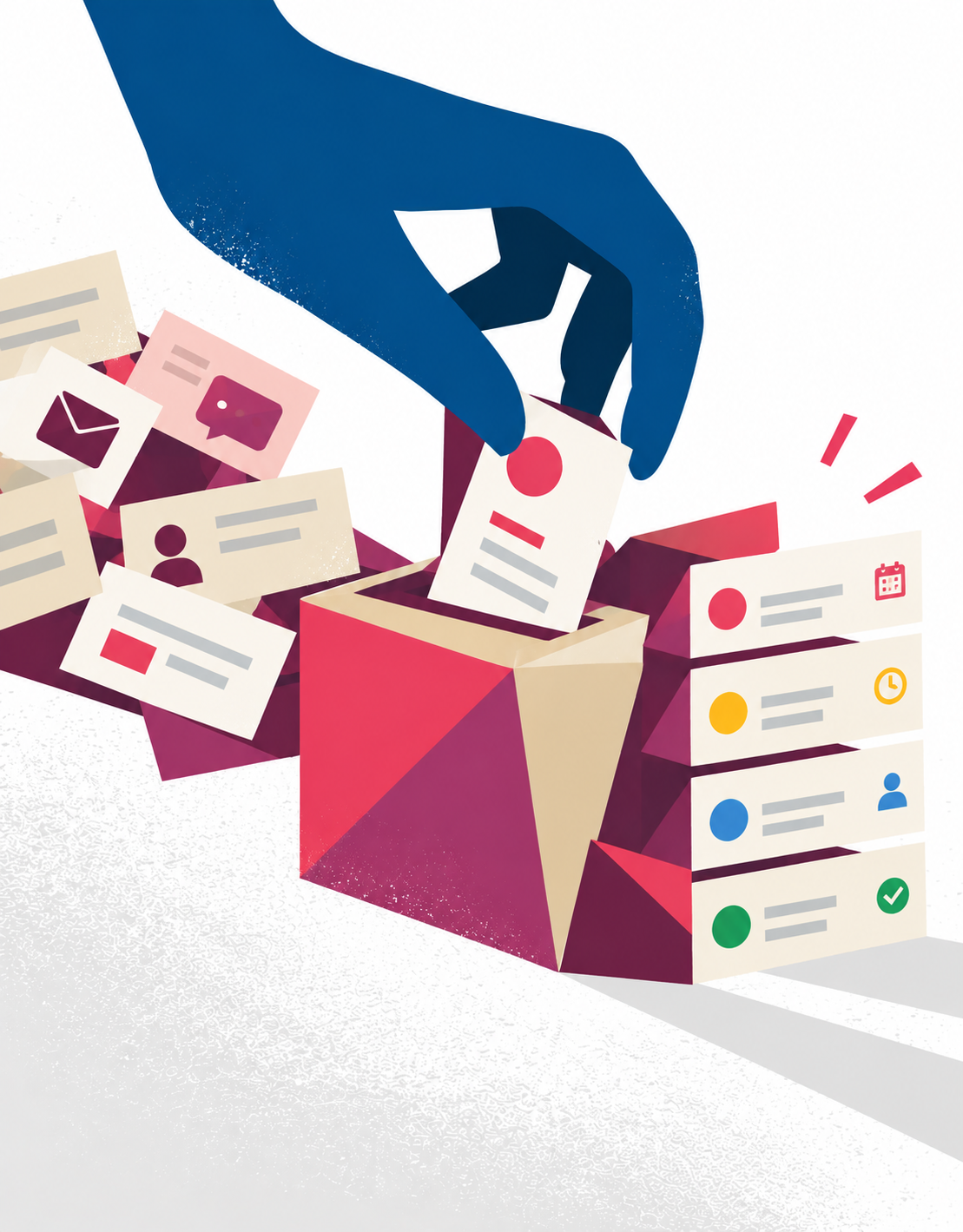
Intake, and the polite art of moving a date.
If everything is urgent, nothing is planned. Six fields and published turnaround times, so an estimate is agreed once rather than renegotiated every time.
Predictable workload, no deadline crunch
-
Velocity and peer review, running continuously.
Two angles: what shipped, and how it was to work with. Taste stays out of it, and the team sets the weights rather than me.
Stronger judgement without manager bottlenecks
-
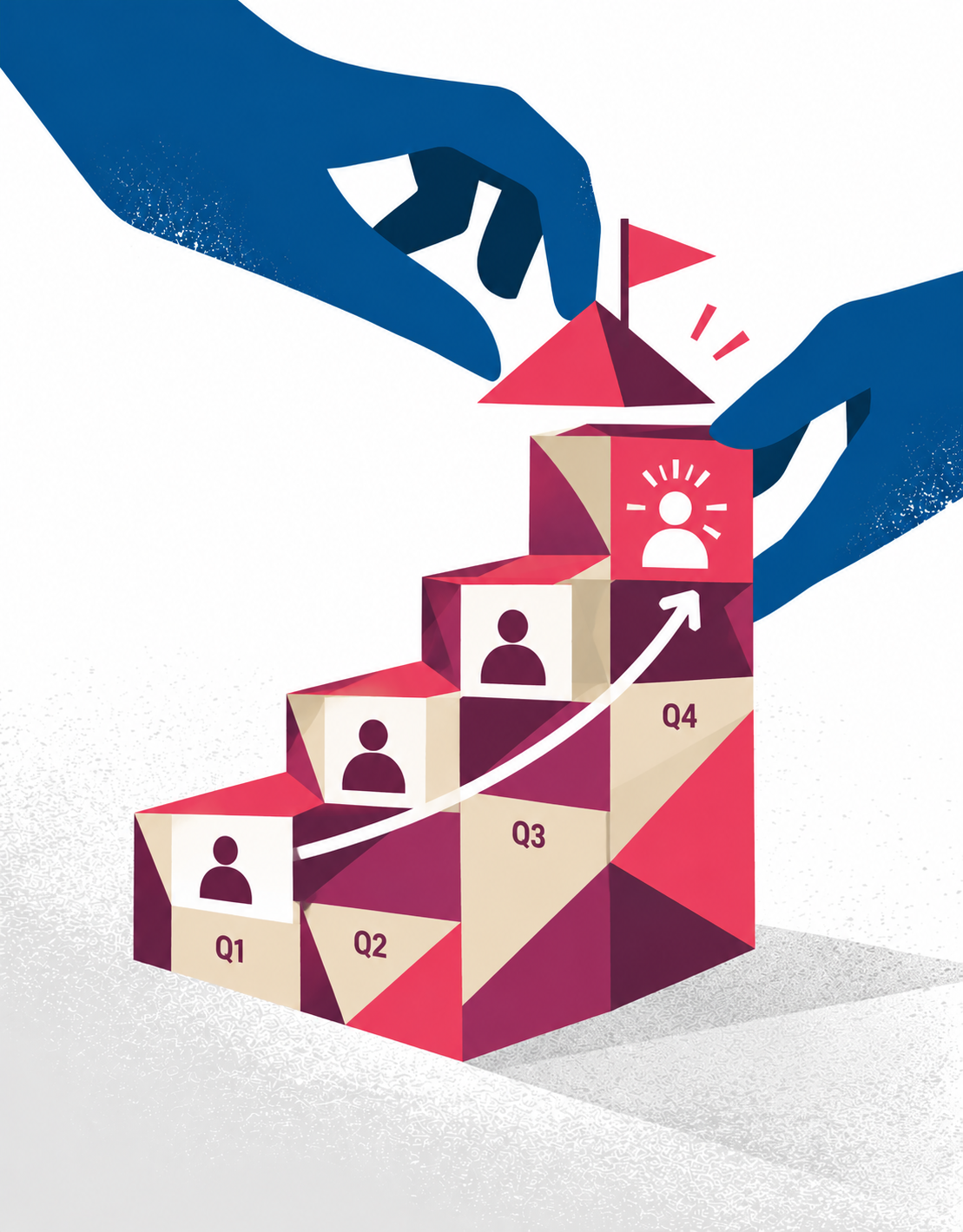
The annual review as reconciliation.
A year of data we both already have, so the fourth quarter counts for exactly as much as the first.
Designers growing into greater ownership
-
I went first, and got audited hardest.
Engineering and I wrote the rules before designers got access. The point was not making everyone use AI; it was knowing when to stop.
Agents in the codebase without designers carrying the risk

Hands-on
Still building.
Recent work across systems, accessibility and responsive product experiences, shaped with the same hands-on curiosity that got me into design.
-
Design system
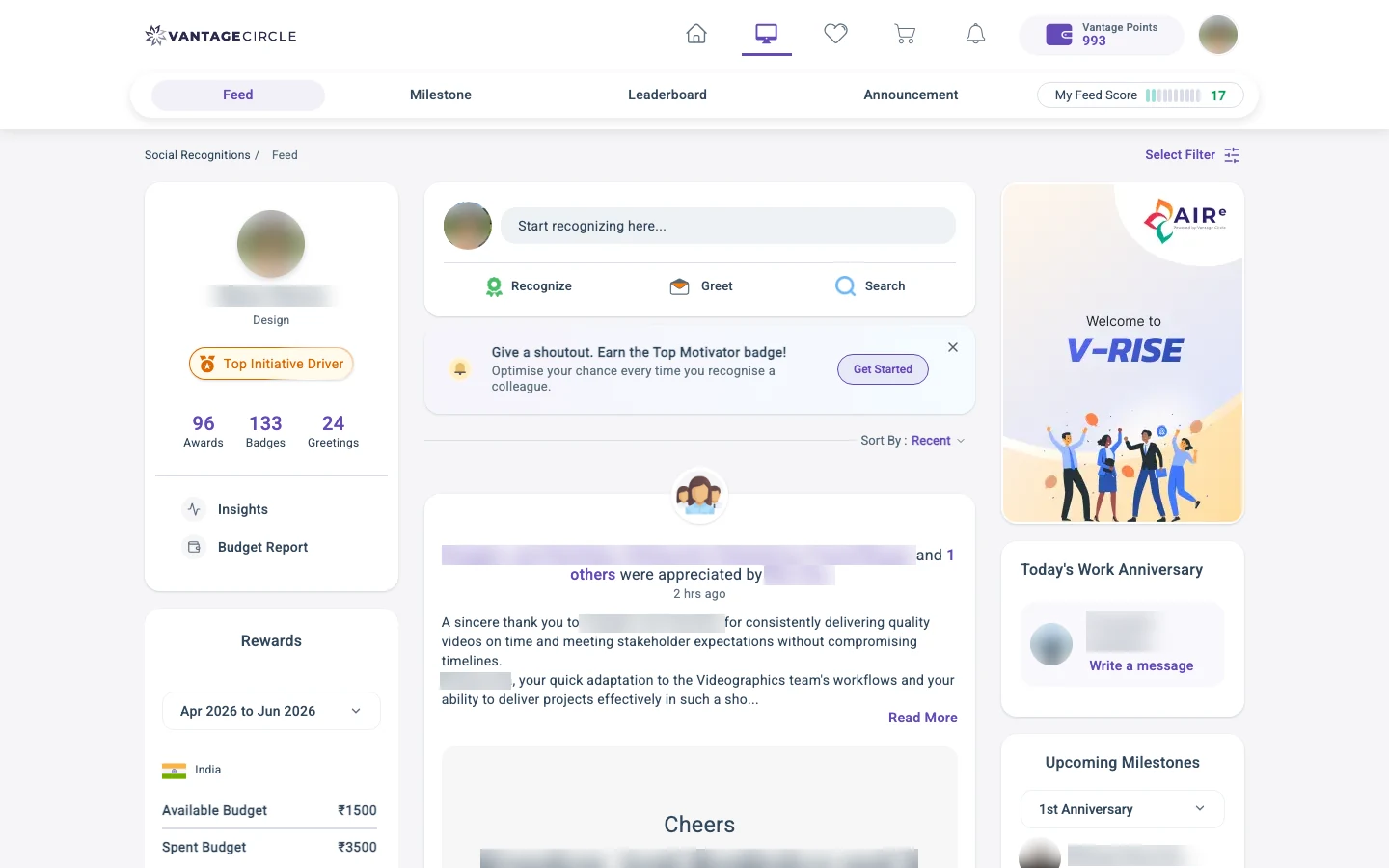
One design system for a 13-year-old product.
A design system shouldn’t require tribal knowledge. 8,375 hardcoded values, including 23 different off-whites, consolidated into 243 tokens that designers and engineers both build from, and that outlive the people who wrote them.
Read the case study -
Accessibility & usability
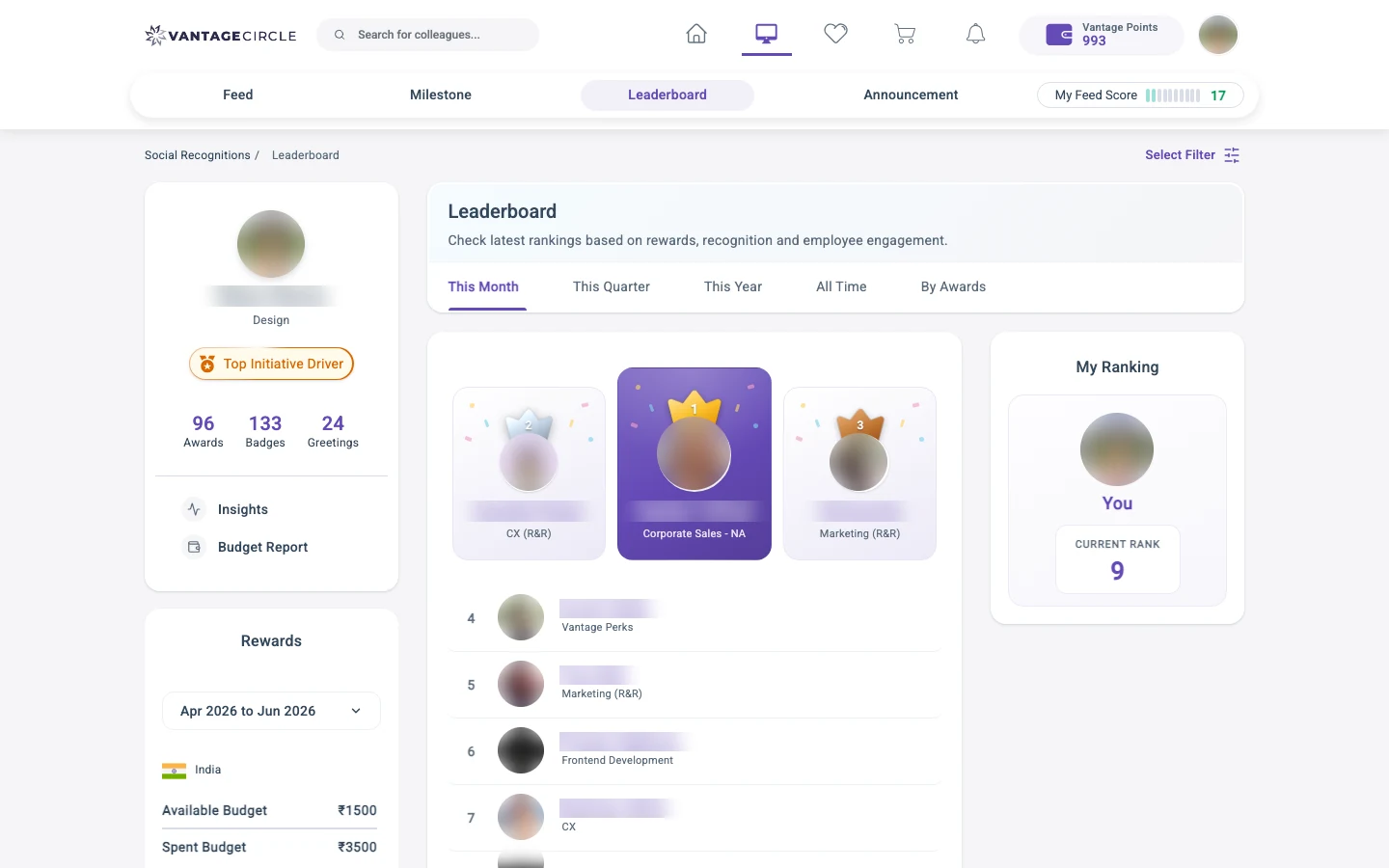
Making an enterprise product usable, not just consistent.
Accessibility isn’t a checklist at the end; it is a signal the system isn’t doing enough thinking for the people using it. Audited the four highest-traffic areas, shipped the fixes, then fed each one back into the system that kept producing them.
Read the case study -
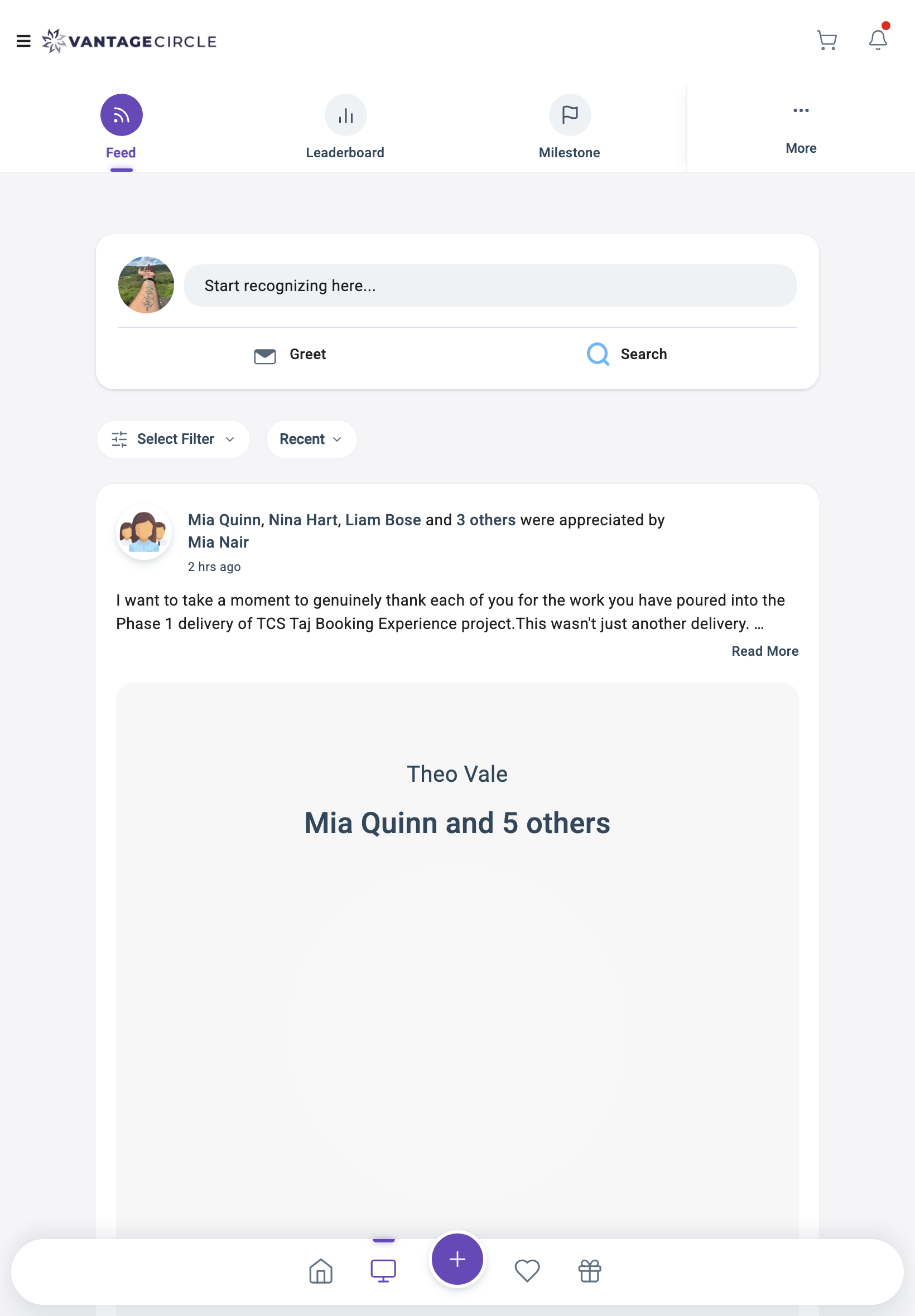
Mobile & tablet
Bringing a desktop-era platform to phones and tablets.
“Responsive” didn’t mean the product made sense on a phone. Wrote the mobile layer it never had — 89 commits across 647 files in about seven weeks — starting with the fact that the TypeScript and the CSS disagreed about what mobile meant.
Read the case study -
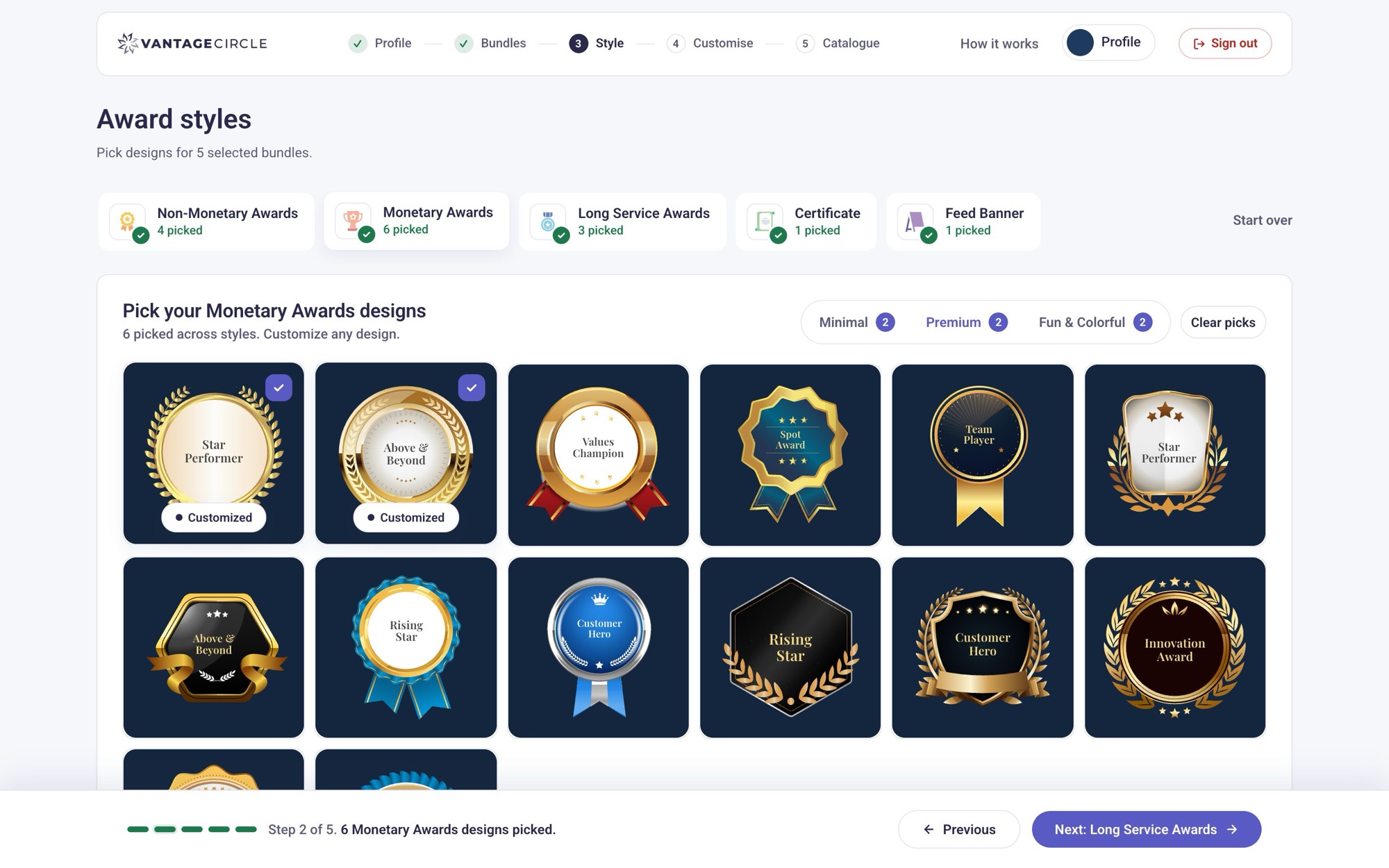
Product concept & build
Turning catalogue onboarding into a self-serve product.
A client-facing catalogue that replaces static PDFs and email rounds with branded previews, clear choices, and a build-ready brief for production.
Read the case study